For centuries, the world has been captivated by China’s technological achievements. From the ancient Greeks and mighty Romans who marveled at innovations beyond the Great Wall – paper-making, early printing techniques, the magnetic compass, and gunpowder – to today’s observers watching China’s rapid advancement in artificial intelligence, the nation continues to surprise and challenge Western technological dominance.
The recent emergence of DeepSeek serves as a powerful testament to China’s enduring innovative spirit. On January 25, 2024, this small Chinese startup unveiled DeepSeek R1, an AI model that has sent shockwaves through the tech industry. What makes this achievement remarkable is the model’s capabilities and accomplishments: DeepSeek developed its breakthrough technology with just 0.06% of OpenAI’s budget.

While tech giants like OpenAI, Google, and Meta have relied heavily on vast arrays of expensive NVIDIA AI chips, DeepSeek faced a significant constraint. Due to U.S. export restrictions on high-end AI processors, the company had limited access to these crucial components. Instead of viewing this as an insurmountable obstacle, DeepSeek’s team developed innovative, resource-efficient techniques that achieved impressive results with fewer resources.
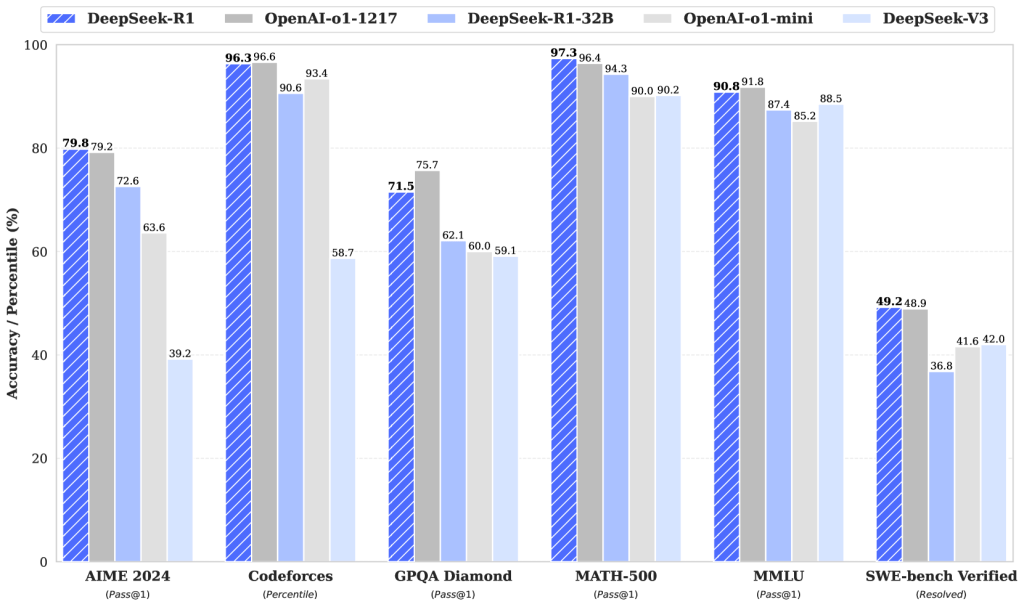
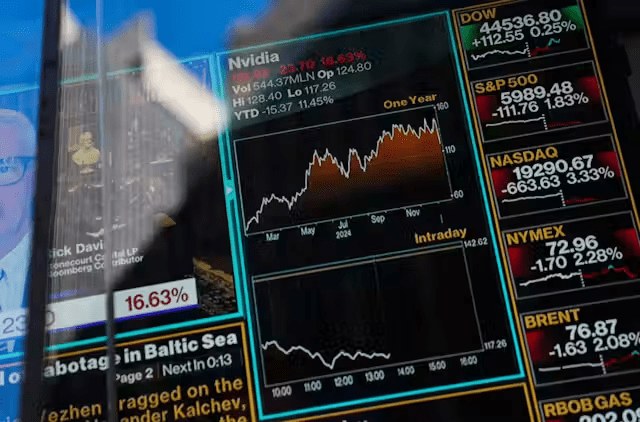
The impact was immediate and dramatic. As news of DeepSeek’s free, open-source AI spread, it quickly became the most downloaded chatbot on Apple’s App Store. The ripple effects reached far beyond Silicon Valley, triggering a massive $1 trillion stock market selloff on January 27. NVIDIA, which had recently claimed the world’s most valuable company ahead of Apple and Microsoft, saw its market position slip back to second place.
This development seems to challenge OpenAI CEO Sam Altman’s assertion from June 2023, when he declared at an Economic Times event in India that starting a new AI company with just $10 million was “hopeless.” DeepSeek’s success under the leadership of Liang Wenfeng has proven that innovation can thrive even with limited resources.
The story holds particular significance for India’s entrepreneurial community, which has historically successfully adapted American business models to local markets – Flipkart competing with Amazon, Zomato, and Swiggy, offering alternatives to DoorDash and OYO following Airbnb’s template. However, competing in AI requires more than just adaptation to business models. It demands substantial investment in research and development.
The numbers tell a striking story: India currently invests just 0.6% of its GDP in R&D, lagging significantly behind China’s 2.4%, the U.S.’s 3.4%, and Israel’s 5.7%. Even more telling is the private sector’s involvement – Indian companies contribute only 36% of total R&D spending, compared to China and the U.S., where private sector investment reaches 75% and 77%, respectively.
DeepSeek’s breakthrough echoes another pivotal moment in technological history—the 1957 Sputnik launch when the Soviet Union’s success in space exploration caught the Western world by surprise and sparked unprecedented American investment in space technology. Former U.S. President Donald Trump has drawn similar parallels, warning that DeepSeek’s achievement signals China’s rising technological capabilities.

As this new chapter in the AI race unfolds, DeepSeek’s success demonstrates that innovation can flourish even under constraints and that technological leadership in the AI era may not be determined solely by access to resources but by the creativity and determination to use them efficiently.
 Kruti_G